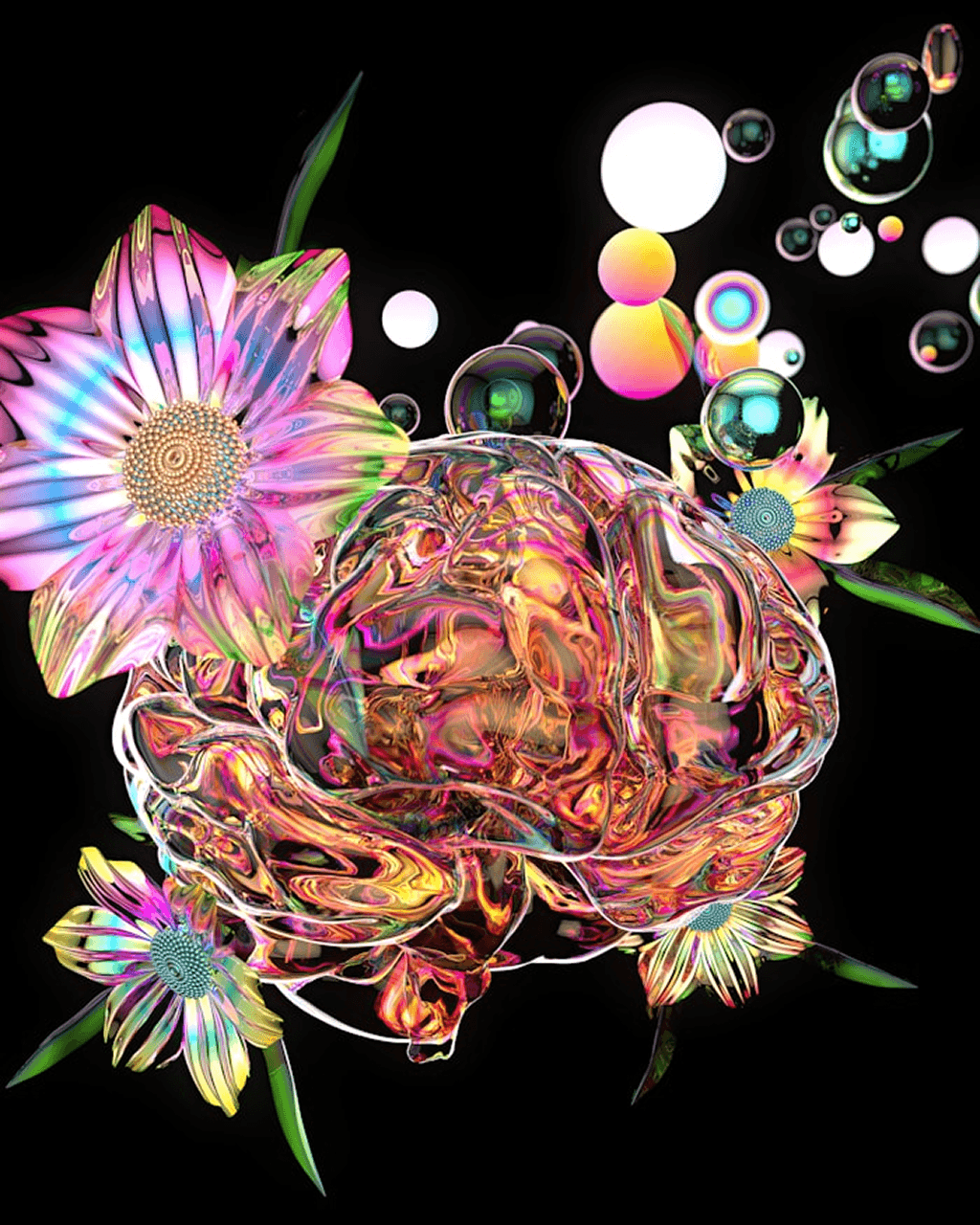
"Music is the shorthand of emotion — and neuroscience is finally proving why."
The meaning behind BioBlooms
Bio speaks to life and biology. Blooms represents flourishing and growth. Together, BioBlooms embodies the belief that the human mind — when nurtured with the right tools — has the capacity to bloom even from its most difficult states.
Mission
Making music therapy and mental health education accessible, approachable, and culturally relevant — particularly in India, where awareness remains critically underdeveloped.
Why Music + Neuroscience?
Music activates more brain regions simultaneously than almost any other stimulus — triggering dopamine, modulating cortisol, and rewiring neural pathways over time.
Focus on India
India carries one of the world's largest mental health burdens. BioBlooms translates science into stories and playlists into therapy — for Indian families, students, and communities.
Six pillars of science, sound & support

Music Therapy
Structured musical engagement as a clinical tool for emotional regulation and mental healing.

Mental Health Education
Rigorously researched guides for students, parents, and educators at every level.

Brain Science Simplified
How the brain functions, how disorders manifest, and how sound interacts with chemistry.

Interactive Tools
Focus timers, breathing exercises, rhythm games, and sleep soundscapes built on evidence.

Mood-Based Support
Scientifically selected playlists matched to your emotional state — meet yourself where you are.

Community Awareness
A growing community united by the belief that awareness is the first step to a healthier India.

Aria Khan. Founder, BioBlooms
Neuroscience · Psychology · Music
"Education is the most powerful weapon which you can use to change the world” - Nelson Mandela
Allow me to introduce myself…I’m Aria Khan, a 16‑year‑old student at Billabong High International School, currently pursuing my A Levels in the SCL. With a strong academic foundation in STEM subjects, I am deeply passionate about neuropsychology, music, and mental health awareness. This passion led me to found BioBlooms.in, a platform dedicated to blending science and creativity to promote empathy and understanding.
I believe in using knowledge to make a positive impact, and I am excited to continue building initiatives that connect research, creativity, and advocacy to inspire change in my community and beyond.
The science that proves music heals
Brain regions activated at once
Music activates the whole brain — simultaneously.
The auditory cortex, limbic system, motor cortex, and prefrontal cortex all fire together when we listen to music. No other stimulus engages so many regions at once, which is why music holds extraordinary potential as a neurological intervention.

Increase in dopamine with preferred music
Music triggers the same reward circuits as food and love.
Research from the Montreal Neurological Institute confirmed that musical chills correspond to peak dopamine release. This biological response explains why music can shift mood so quickly — and why it holds clinical value for depression and ADHD.

Of participants report reduced anxiety
Calming music measurably reduces the body's stress hormones.
Listening to slow-tempo music reduces salivary cortisol while promoting serotonin activity. Binaural beats research further shows how specific frequencies can entrain brainwaves to promote relaxation, focus, or sleep.
Understand the condition, find the right tool.
ADHD
Attention Deficit Hyperactivity Disorder
Depression
Major Depressive Disorder
Bipolar Disorder
Bipolar I & II
Anxiety
GAD, Social Anxiety, Panic Disorder
Autism Spectrum
Autism Spectrum Disorder (ASD)
Schizophrenia
Psychosis & Schizophrenia Spectrum
How Are You Feeling Today?
Select your mood to receive a science-backed playlist curated for your emotional state.
Tools built on sound science
Each tool is rooted in peer-reviewed research and designed for daily mental wellbeing.

Focus Timer
Pomodoro-inspired sessions layered with gamma binaural beats and ambient nature tones for sustained attention.

Calm Breathing
Guided box and 4-7-8 breathing with synchronised ambient tones that shift frequency with each breath phase.

Rhythm Games
Interactive rhythm exercises to improve working memory, processing speed, and motor coordination.

Sleep Soundscapes
Delta wave binaural tracks blended with rain, forest, and ocean recordings to guide the brain into deep sleep.

Guided Meditation
Body scan and mindfulness sessions scored with original ambient music calibrated to each session's emotional outcome.
Common questions
Answers about music therapy, neuroscience, and how BioBlooms approaches mental health.
What exactly is music therapy?

Is there real scientific evidence behind music therapy?
Can music therapy help with conditions like ADHD or depression?
What are binaural beats and do they actually work?
Are the tools on BioBlooms a replacement for therapy?
Why does BioBlooms focus on the Indian context?